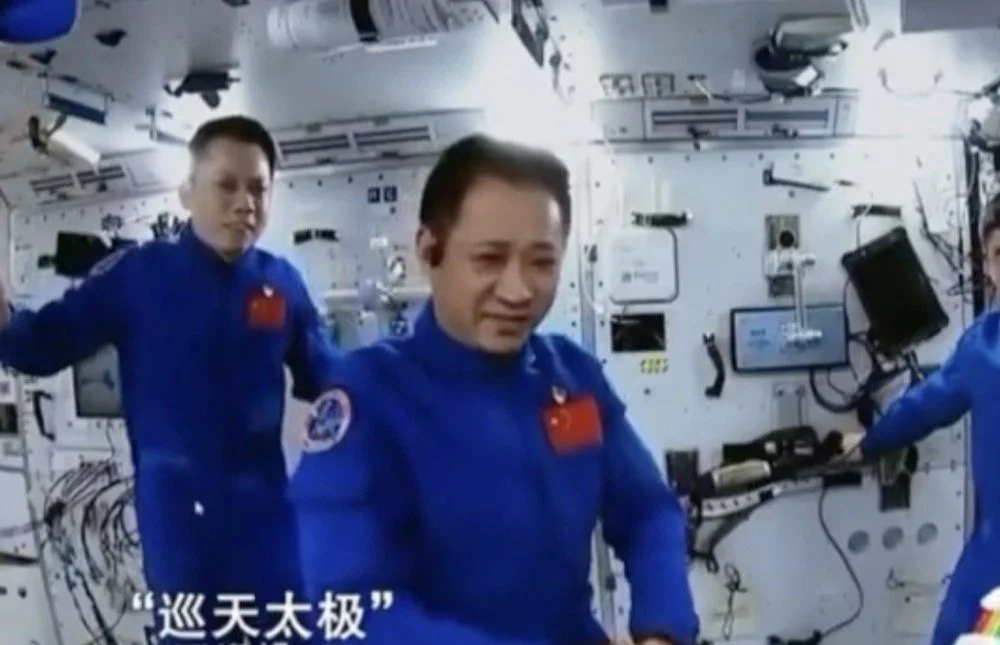
Rockets Can Reach Mars. But Can the Human Body Relearn Gravity?
Spacecraft may carry us beyond Earth, but the human body must also learn to adapt to altered gravity. This article explores Tai Chi, movement regulation, balance, breath, and sensorimotor adaptation as a framework for thinking about future human life on the Moon and Mars.
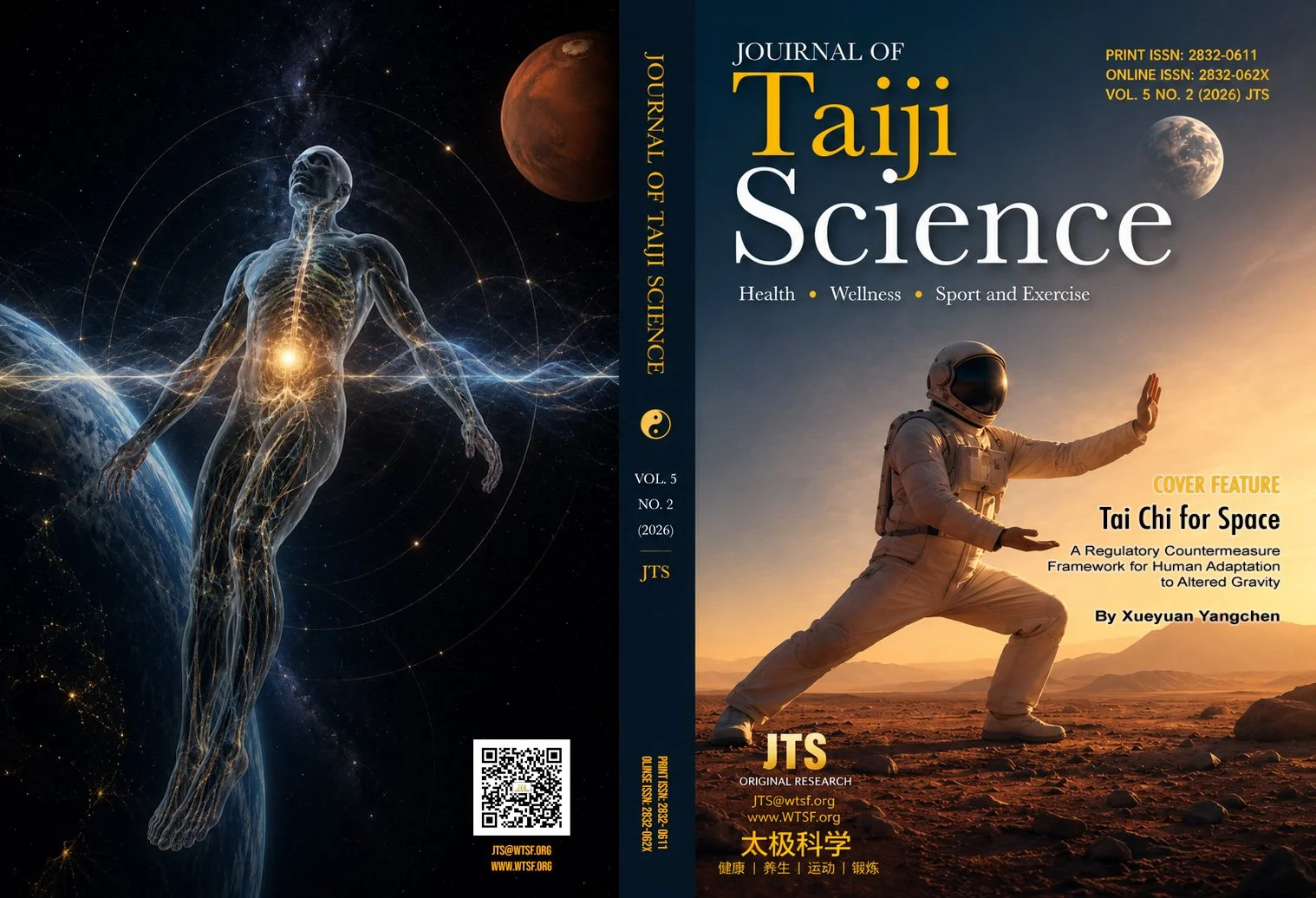
Tai Chi for Space: A Regulatory Countermeasure Framework for Human Adaptation to Altered Gravity
A newly published study by Xueyuan Yangchen proposes a conceptual framework that explores how Tai Chi principles may inform future research on human adaptation to altered gravity. Published as the cover article in the Journal of Taiji Science, the paper discusses movement regulation, balance control, sensorimotor adaptation, astronaut health, rehabilitation, and healthy aging.
Martial Arts as a Complementary Movement-Based Intervention for Children with ADHD
Martial arts training may offer more than physical exercise for children with ADHD. This article explores how structured movement, balance, posture control, breathing, attention, and self-regulation may complement conventional interventions. Drawing on movement science and practical coaching experience, it discusses why martial arts deserve greater attention as a supportive approach to children's cognitive, behavioral, and motor development.
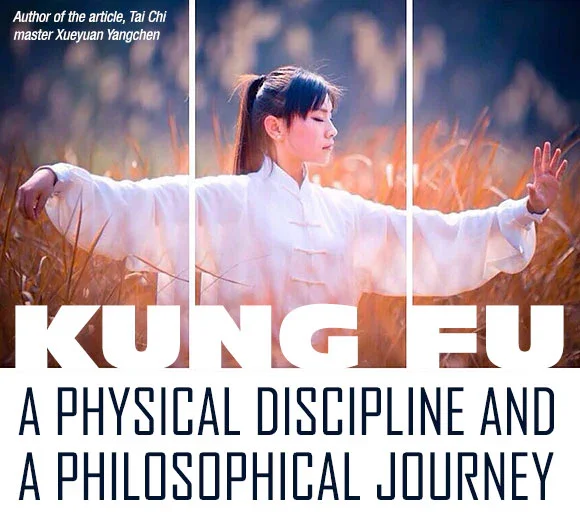
Kung Fu: A Physical Discipline And A Philosophical Journey
Kung Fu does not simply mean martial arts. It refers to any skill cultivated through time, patience, discipline, and sincere effort. A chef can have Kung Fu. A calligrapher can have Kung Fu. A musician, a doctor, a gardener, a teacher, a mother raising a child, or a person learning how not to lose their temper can all have Kung Fu. Kung Fu is not merely something you perform…Balance: Laozi’s Water and Aristotle’s Golden Mean